
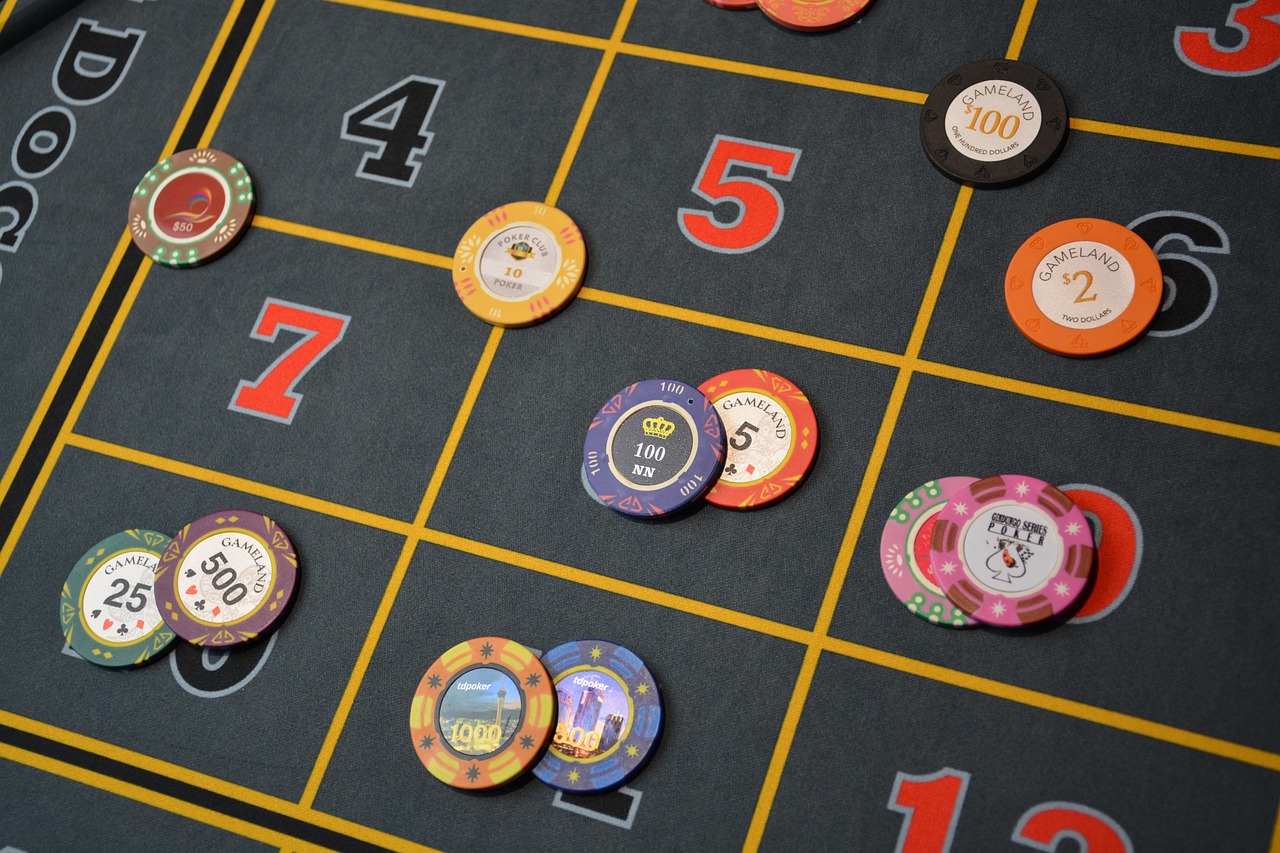
Ask ten people why they gamble and you'll get ten different answers: the thrill of the spin, the chess-match tension of a poker table, the simple hope of turning twenty euros into two thousand. But strip away the marketing gloss and the neon lights, and every iGaming product is built on the same foundation — probability, psychology, and a carefully calibrated house edge. Understanding that machine doesn't ruin the fun. If anything, it makes the games sharper.
Every casino game carries a mathematical tax called the house edge, and it's the single most important number in iGaming. It's not a conspiracy; it's the business model. The edge is the difference between true odds and the payout the game offers — and over millions of rounds, it guarantees the operator a profit.
The edges vary wildly by game:
Here's the practical takeaway: a game with a 1% edge and a game with a 6% edge both feel identical on a Tuesday night. But play for five hours and the difference becomes brutally visible. Skill-based games like poker and blackjack let you shrink the edge; pure-luck games do not. That single distinction should shape where you spend your money.
Slot machines generate the majority of casino revenue worldwide, yet they're the game players understand least. Modern video slots don't run on physical reels — they run on random number generators (RNGs) that produce millions of outcomes per second. The spinning animation is theatre. The result was decided the instant you pressed the button.
Two numbers matter more than any theme or bonus feature:
A common myth deserves debunking: slots do not "warm up" or "go cold." Each spin is independent. A machine that hasn't paid in three hours is exactly as likely to hit on your next spin as it was at the start. There is no memory, no debt to repay you.
If you want the best value, hunt for high-RTP titles, check the paytable before spinning, and always understand what a bonus round actually pays. Flashy graphics tell you nothing about the math underneath.
Here's a controversial statement for a casino article: poker isn't really gambling against the house. In cash games and tournaments, you play against other humans, and the casino takes a small commission called the rake. That means the house edge doesn't decide your fate — your opponents do. hb88go.in.net covers this in more detail.
Poker rewards study, patience, and emotional control. A winning player understands pot odds, knows which starting hands to fold from which positions, and recognises that losing a hand doesn't mean playing it badly. Variance is enormous: even a strong player can lose for weeks. The skill edge only reveals itself over tens of thousands of hands.
For newcomers, three habits separate profitable players from donors:
Sports betting sits somewhere between poker and slots. The bookmaker's margin — the vig — is baked into the odds, usually 4% to 8% on a standard two-way market. But unlike roulette, outcomes depend on real-world events that can be predicted better than chance.
Successful bettors treat sports betting like investing. They focus on a narrow set of leagues, look for value rather than favourites, and understand concepts like closing line value — the idea that consistently beating the final odds before kickoff is a strong signal of long-term profitability. They also shop around: the same bet might be priced at 1.85 on one site and 1.95 on another. Over hundreds of bets, that gap is the difference between profit and loss.
What doesn't work? Parlaying ten-leg accumulators for a lottery-style payout, betting on your favourite team out of loyalty, or depositing more after a loss to "get it back." The house edge doesn't care about your feelings.
Online casinos lure players with welcome bonuses, free spins and cashback offers. Some are genuinely valuable. Many are not. The critical number is the wagering requirement — how many times you must bet the bonus before withdrawing.
A 100% match bonus up to €100 with 40x wagering means you need to place €4,000 in bets before cashing out anything. If the bonus is locked to high-edge slots with a 4% house edge, the expected loss on that €4,000 is roughly €160. The bonus isn't free money; it's a contract with real costs. Always read the terms, especially game weighting, maximum bet rules, and expiry dates.
The iGaming industry is a fascinating blend of mathematics and showmanship. Lights flash, commentators shout, and avatars celebrate — all designed to make randomness feel like destiny. But the players who get the most out of it are the ones who see past the spectacle. They pick games with low edges, treat poker as a skill pursuit, bet sports with discipline, and read bonus terms before claiming them.
None of that removes the risk, and it shouldn't. What it removes is the illusion. Gambling is entertainment with a cost, and the person who understands that cost is the person best equipped to enjoy the ride without paying for the ride twice. Set limits, know your numbers, and never let a bad night turn into a bad month.

Hi, my name is Anthony kuber. I am artist and fashion designer.
I love to travel and writing blogging.
Your email address will not be published. Required fields are marked *
Software Developer & Writer
Hey, I'm Diva, a developer and writer blending code and creativity. I'm driven by a deep curiosity and a relentless pursuit of excellence. Join me as I craft digital solutions and captivating stories.


