
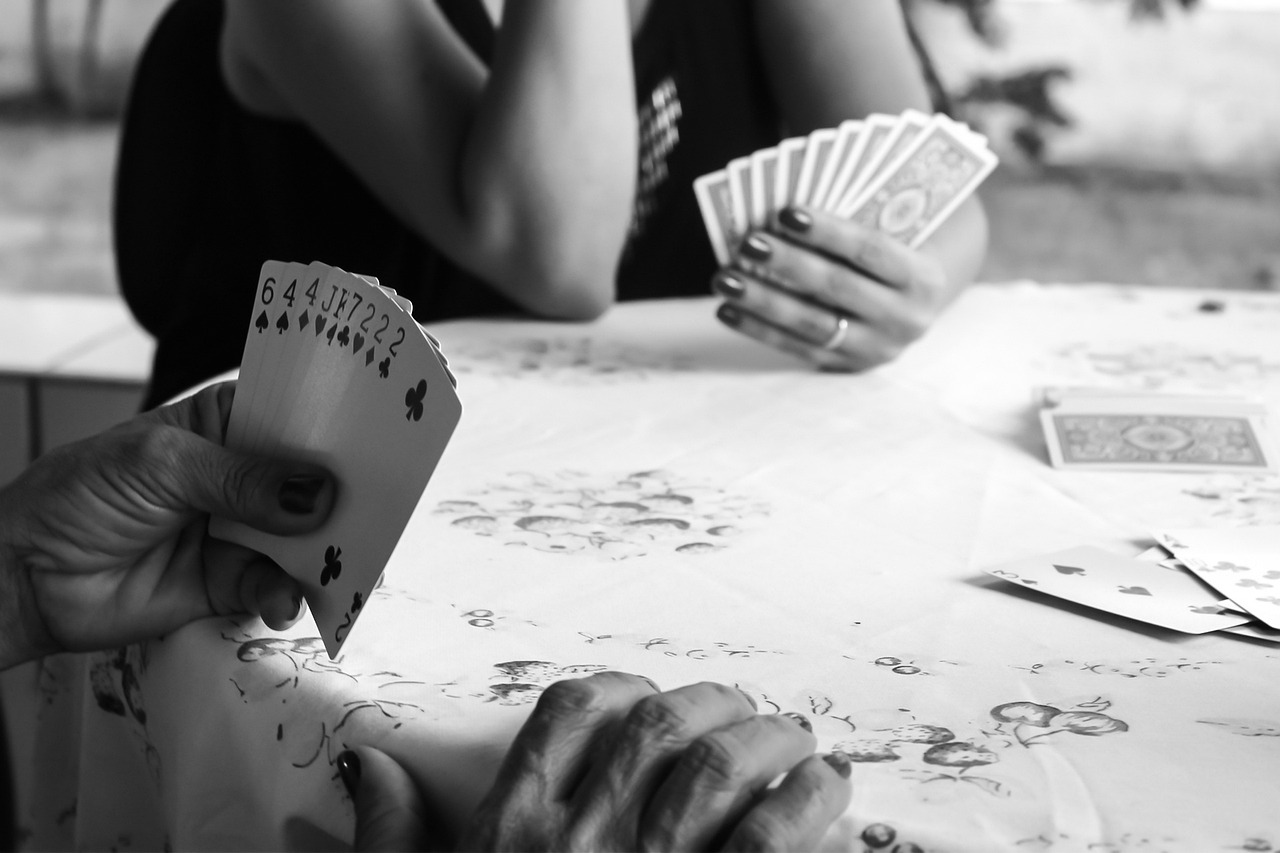
The first time you sit down at a live poker table after years of playing mobile slots, something uncomfortable happens. The math you thought you understood suddenly has a face. A guy in a hoodie three-bets you, you call with ace-queen because it looks pretty, and forty minutes later you're wondering where your buy-in went. That gap between knowing the rules and knowing the game is where most players live, and it's also where the real money gets made — by the house, by the sharps, and occasionally by you.
This isn't a piece about getting rich overnight. It's a working map of the modern iGaming landscape, written for people who want to play smarter rather than just play more.
Slots are where roughly 70% of casino revenue comes from, depending on the jurisdiction. That number alone should tell you something: the house edge is baked in, but the volatility profile varies wildly between machines. A classic three-reel game might run a 2-5% house edge with low variance. A modern Megaways title with 117,649 ways to win can push RTP down to 94% or lower and swing so violently that you'll lose your bankroll in twenty spins or triple it in five.
What actually matters when you sit down:
There is no system, no pattern, and no "due" machine. The RNG doesn't remember your last spin. Anyone who tells you otherwise is selling something.
Here's the thing that separates poker from everything else in the building — you're not playing against the casino, you're playing against other people, and the casino just takes a rake. That structure changes everything. A skilled player can sustain a win rate of 3-8 big blinds per 100 hands at mid-stakes online, which is roughly $30-80 per 100 hands at 5/10. Compare that to slots, where the expected value is negative on every spin, and you see why serious players gravitate toward the felt.
Bankroll management matters as much as hand selection. A common guideline: never sit with more than 5% of your total poker bankroll at any single table, and never play stakes you can't reload at least 20 times. For practical tips, check out 999bett.in.net.
Betting on sports is often framed as gambling, but the sharpest operators treat it like a market. Lines move based on volume, injuries, weather, and public sentiment. If you can read those movements, you can find spots where the price is wrong.
A few concrete starting points:
The public bets favorites and overs. The sharps bet numbers. If your gut is telling you to hammer the Chiefs at -7 because they "look unstoppable," that's exactly the bet the market is already pricing against you.
Every serious player I know has a stop-loss. Not because they're saints, but because tilt destroys bankrolls faster than bad variance ever will. A few habits that separate long-term players from short-term donors:
The difference between a good online casino and a bad one isn't the logo. It's the licensing, the payout speed, the RTP transparency, and the support quality. A Curacao license is weaker than a UKGC or MGA license — not necessarily a dealbreaker, but it changes your recourse if something goes wrong. Withdrawal times range from two hours at top-tier crypto casinos to five business days at some legacy sportsbooks. Check the terms for bonus wagering requirements before you deposit, not after. A "100% match up to $500" sounds great until you realize it's tied to 40x wagering on slots with a 2% contribution rate and a seven-day expiry.
Read the fine print. The fine print is where the house makes its money on promotions.
The players who last in iGaming aren't the ones chasing jackpots or the next big parlay. They're the ones who treat it like any other skill-based pursuit — studying the math, managing the downside, and treating every session as data rather than a coin flip. Slots will always be negative EV; poker and sports betting can be positive if you're honest about your edge and disciplined about your stakes. The house wins because most players don't do either. You don't have to be most players.
Pick one game, learn it deeply, track your results for six months, and then decide whether you're a recreational player or something sharper. Either answer is fine. The only wrong answer is pretending there's no difference.

Hi, my name is Anthony kuber. I am artist and fashion designer.
I love to travel and writing blogging.
Your email address will not be published. Required fields are marked *
Software Developer & Writer
Hey, I'm Diva, a developer and writer blending code and creativity. I'm driven by a deep curiosity and a relentless pursuit of excellence. Join me as I craft digital solutions and captivating stories.


