
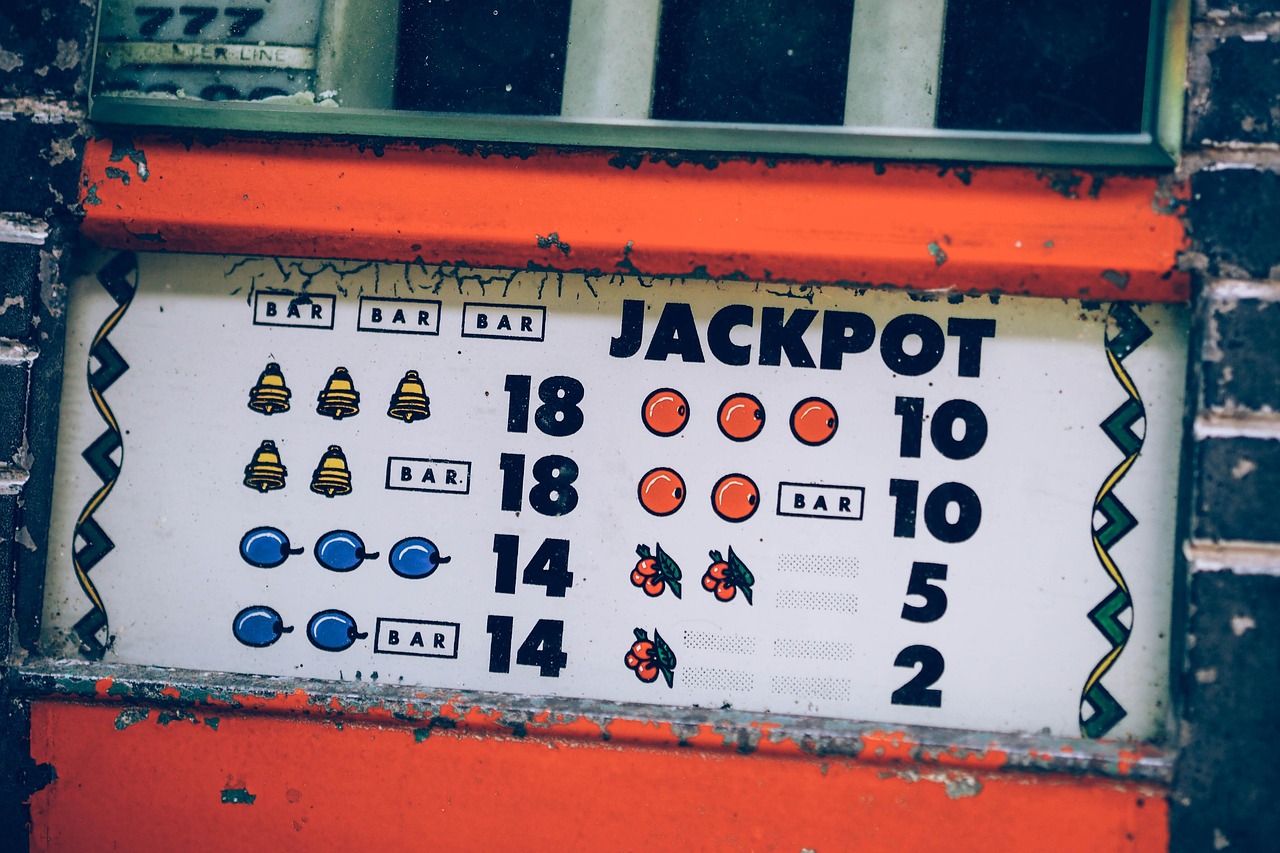
Walk into any physical casino and you'll notice something almost immediately: the room is designed to keep you there. No clocks, no windows, free drinks, and a labyrinth of slot machines that makes it genuinely hard to find the exit. Online gambling strips all of that away and replaces it with something far more dangerous and far more convenient — your own living room, your own phone, and a payment method saved to your account. That's the double-edged sword of the iGaming boom, and it's worth talking about honestly.
This isn't a sermon about gambling being evil, and it isn't a sales pitch for the latest bonus code either. It's a grounded look at how the iGaming space actually works in 2025, where the real edges are, and how to enjoy it without becoming the cautionary tale your bank statement warns you about. For a closer look, v88.ru.com has helpful details.
A decade ago, the average online casino was a clunky Flash-based site with a handful of slots and a sketchy withdrawal process. Today, the industry is projected to clear well over $100 billion in global gross gaming revenue, and the technology behind it has gotten quietly sophisticated. Live dealer games stream in 4K with real croupiers in studios in Malta, Latvia, and the Philippines. Slots run on certified random number generators audited by firms like eCOGRA and iTech Labs. Poker rooms track every hand and flag collusion patterns in real time using machine learning.
What that means for you is simple: the games are fairer than they've ever been. What hasn't changed is the math. Every game still has a house edge, and no amount of clever play erases it entirely. What you can do is minimize it.
If you're playing slots, you're playing a game of pure variance. There's no strategy, no skill element, and the return-to-player (RTP) is baked in before you spin. That's not a reason to avoid them — it's a reason to be picky about which ones you play.
Blackjack and video poker are where skilled players claw back the most. A basic-strategy blackjack player at a table with favorable rules (3:2 payouts, dealer stands on soft 17, double after split allowed) faces a house edge under 0.5%. That's about as close to even money as gambling gets. Video poker variants like Jacks or Better with a 9/6 paytable (9 coins for a full house, 6 for a flush) return over 99.5% with perfect play.
Everything I just said about the house edge doesn't apply to poker, because in poker you're not playing the house — you're playing other people, and the house just takes a rake. This is the single most important distinction in the entire iGaming world, and it's why so many serious players gravitate to poker rooms.
But “beatable” doesn't mean “easy.” Online poker in 2025 is populated by solvers, GTO-trained regulars, and tracking software that knows your stats better than your therapist. If you're sitting down at a $1/$2 table expecting a fish fry, you're the fish.
Welcome bonuses look like free money until you read the terms. That $2,000 “100% match” usually comes with a 35x wagering requirement, a 30-day expiry, and a maximum cashout cap. Run the numbers before you deposit — a bonus with $2,000 attached and 35x wagering means you need to bet $70,000 before withdrawing a cent. On slots, that's survivable. On blackjack, where the bonus often contributes only 10% toward wagering, it's a trap.
Rakeback and loyalty programs are quieter but more valuable. If you play regularly, a 20-30% rakeback deal on poker or a weekly cashback on casino losses will return more than any deposit bonus ever will. Always check if the site offers VIP tiers — the difference between a casual account and a top-tier VIP account can be tens of thousands of dollars over a year for high-volume players.
You can play perfect strategy and still go broke. That's variance, and it's the one thing no tip or system can eliminate. What separates players who stick around from players who quit bitter is bankroll discipline.
A reasonable rule: your bankroll should be at least 100 buy-ins for poker cash games, 50 for tournaments, and 20-50x your average slot bet. If you have $500 and want to play $1/$2 poker, you're underrolled and one bad session from disaster. If you're spinning $5 slots on a $200 deposit, you're gambling, not managing.
Set hard loss limits before every session, and treat them like a contract. Most regulated iGaming sites now offer deposit limits, session timers, and self-exclusion tools built directly into the account settings — use them, even if you think you don't need to.
iGaming isn't going anywhere, and pretending it's all predatory or all harmless misses the point. The truth sits in the middle: it's an entertainment product with a built-in cost, and the people who enjoy it most are the ones who understand that going in. Treat slots as paid entertainment, treat poker as a mental sport where the sharpest player wins, and treat every bonus and loyalty program with the same skepticism you'd apply to a used car salesman. Do that, and the house edge stops being a threat and starts being just another line item in a hobby you actually control.

Hi, my name is Anthony kuber. I am artist and fashion designer.
I love to travel and writing blogging.
Your email address will not be published. Required fields are marked *
Software Developer & Writer
Hey, I'm Diva, a developer and writer blending code and creativity. I'm driven by a deep curiosity and a relentless pursuit of excellence. Join me as I craft digital solutions and captivating stories.


