
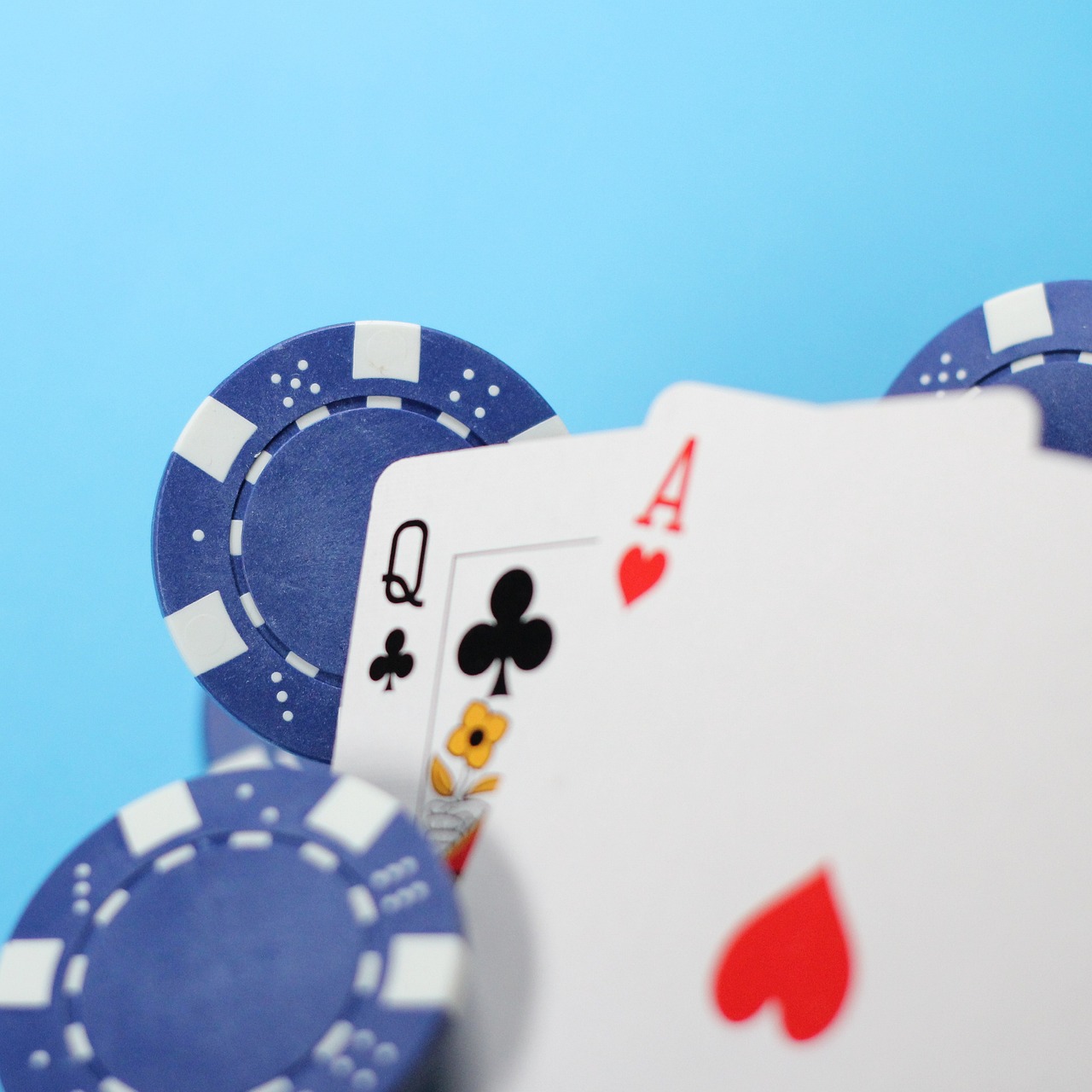
Every gambler has heard the phrase. The house always wins. It sounds like a warning, a smug little truth whispered by casino executives and cautious relatives alike. But here's what that phrase actually misses: the house only wins over infinite time and perfect math. Human beings don't operate that way. We operate in sessions, in hot streaks, in the two hours we carved out on a Tuesday night after the kids went to bed. That gap between statistical certainty and lived experience is where iGaming lives, breathes, and makes billions. Understanding that gap is the difference between being a mark and being a player who actually enjoys the ride.
Let's start with the uncomfortable part. Every casino product is designed with a mathematical edge for the operator. European roulette gives the house about 2.7% because of that lone green zero. American roulette, with its double zero, pushes it to 5.26%. Blackjack played with perfect basic strategy sits around 0.5% house edge, which is why it's beloved by players who read books. Slots are where the numbers get fuzzy and, frankly, murkier for the average punter. A typical online slot might have an RTP of 96%, meaning for every €100 wagered, €96 returns to players over millions of spins. That remaining 4% is the slot's revenue baked in from the code up.
None of this is a secret or a scam. It's the cost of admission, the price of a night's entertainment. But here's where it gets practical: the edge compounds faster the more hands, spins, or bets you play. A player hammering 800 spins per hour will feel the house edge far more brutally than someone taking 100 deliberate spins. Speed is the silent tax.
Slots are the most democratic game in the building. No strategy required, no table etiquette, no scowling dealer tapping the felt. Pull, tap, repeat. That simplicity is seductive, and it's also why slots generate the largest chunk of casino revenue globally, easily over 70% in most markets. But anyone who takes slots seriously as a long-term activity should know a few hard truths.
Treat a slot session like a concert ticket. The money is spent the moment you buy in. Whatever returns is a refund, not a profit.
Poker is the beautiful anomaly. In casino poker, the house takes a rake, usually 5% up to a cap of €3 to €10 per pot (or a seat time fee in some European rooms). After that rake, you're playing against other humans, and the edge is wherever skill decides to show up. This is the one discipline where a disciplined player can genuinely be profitable year after year. Kèo nhà cái offers a practical breakdown of the topic.
But hold on, because that sentence deserves friction. Most poker players are losers. Not slightly, either. Around 80% to 90% of cash game players are long-term unprofitable, because the winners are simply extracting the difference from the losers repeatedly. If you want to be on the right side of that stat, you need the boring stuff:
The rake is the silent winner of every hand. You beat the player, then you beat the house's cut. Acknowledge it or grind through it.
Sports betting has changed radically since the smartphone era. Same-game parlays, cash-out buttons, live in-play markets, prop bets on whether a corner kick happens in the first ten minutes. Choice has exploded, and so has the opportunity to bleed money in creative new formats.
Here's a concrete number that should sting: bookmakers typically build 5% to 8% margins into standard two-way and three-way markets, and much more into parlays, where margins can quietly climb above 20%. That five-leg accumulator feels like skill expression. It's mostly a donation with dramatic staging. Professionals don't stack legs. They find singles where they price a side at 52% probability while the book has it near 47%. That's a thin, grinding edge built on statistics, injury reports, weather data, and home/away splits. Not vibes.
If any of those answers are fuzzy, the bet is probably entertainment. Fine. Just label it correctly.
The iGaming industry is regulated for a reason, but regulation isn't a shield. Access is now frictionless, bonuses carry 40x wagering requirements, and virtual slot auto-spins let you lose faster than any human arm could pull a lever. The risks are real, predictable, and heavily concentrated.
Problem gambling doesn't announce itself. It creeps in through chasing sessions, through bigger stake creep, through the tab left open at 3 a.m. on your phone. The sign is simple: are you playing to win, or playing not to feel? If it's the second, step away, use deposit limits, and be honest with someone.
You won't beat the house at roulette or slots. You might beat a soft poker table or a slow-priced betting market. And even then, only with structure. The house wins because of time and math, but its opponent isn't you, it's the long run. In a single session, in a tournament on a Saturday, in a parlay you genuinely analysed, the margin is thin enough that variance can throw you a gift. That's not the death of the house edge, it's the personality of it.
Play with limits written down before you play, not after. Learn one discipline properly instead of tapping around twelve. And respect the boring skills, bankroll management, game selection, restraint. Those three will outlive any hot streak. You probably won't beat the house. You absolutely can refuse to be steamrolled by it.

Hi, my name is Anthony kuber. I am artist and fashion designer.
I love to travel and writing blogging.
Your email address will not be published. Required fields are marked *
Software Developer & Writer
Hey, I'm Diva, a developer and writer blending code and creativity. I'm driven by a deep curiosity and a relentless pursuit of excellence. Join me as I craft digital solutions and captivating stories.


