
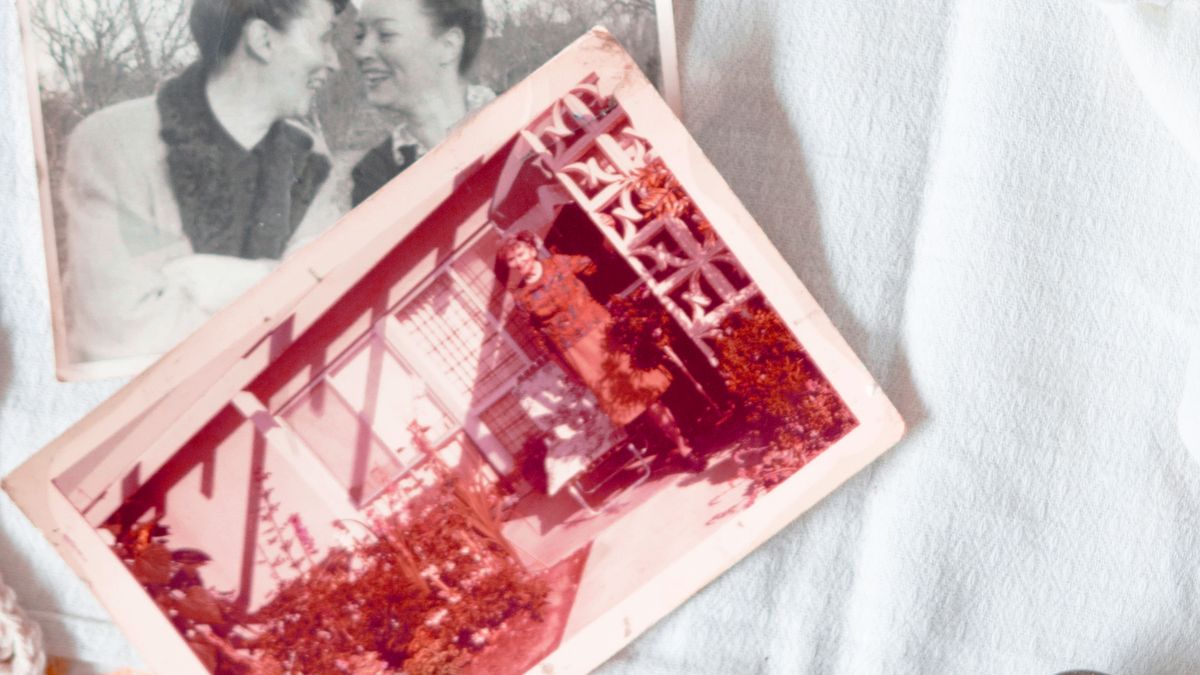
Almost every Scottish family tree eventually runs into a mystery that turns out to be Irish. A great-grandmother recorded simply as "born Ireland", a surname that appears in Lanarkshire and in County Down with equal ease, a family story about coming over "at the time of the hunger". Irish migration to Scotland was so large, so repeated, and so concentrated in particular towns that the two histories are woven together rather than sitting neatly side by side. The trick is not to treat them as one problem, but to work each side of the water with the tools that suit it.
Movement across the North Channel has never really stopped. Seasonal harvest workers came from Donegal, Antrim and Down to pick potatoes and dig peat. Handloom weavers and spinners followed the trade into Ayrshire and Renfrewshire. The years of famine and land clearance pushed tens of thousands west into Glasgow, Greenock, Paisley, Dundee, Coatbridge and the Lanarkshire coalfield. By the 1880s well over 200,000 people born in Ireland were living in Scotland, and in some streets of Dundee or Coatbridge they outnumbered the Scottish-born.
There was traffic in the other direction too. Families from Galloway, Ayrshire and the Borders settled in Ulster during and after the Plantation, and their descendants form the Presbyterian communities that later sent migrants back to Scotland and onwards to America. Your "Scottish" line may have spent two centuries in Ireland, and your "Irish" line may have spent three in Argyll.
Resist the temptation to leap across the water. Exhaust Scotland first, because the records are fuller and will tell you exactly where to look.
Statutory registration began in 1855, and Scottish birth, marriage and death entries are unusually generous. A death record may give the deceased's parents' names, the mother's maiden name, the parents' occupation and even their birthplace. Marriage entries name both sets of parents. Before 1855, the Old Parish Registers, Catholic registers, kirk session minutes, heritors' records and monumental inscriptions all have a part to play.
Do not overlook poor law records. From 1845, parochial boards in Scotland recorded applications for relief in remarkable detail, often including birthplace, family circumstances and correspondence with Irish authorities about removal. A single application can hand you a parish in Mayo on a plate. Local valuation rolls, school admission registers and burial records fill in addresses and confirm relationships.
The census is where most people first spot Ireland in the family, and it pays to read it carefully.
Watch for inconsistencies. A husband may give Leitrim while his wife gives Mayo, and one sibling may be recorded as Irish-born while another, born a year later in Glasgow, is Scottish. That date of arrival is a clue in itself. Be wary of "Ireland" entered for a child actually born at sea or in Scotland to Irish parents.
Ireland lost many records in 1922, but what survives is powerful. Civil registration of births, deaths and Catholic marriages began in 1864, with non-Catholic marriages from 1845. Catholic parish registers often start in the 1820s or 1830s and sometimes earlier. The Tithe Applotment Books of the 1820s and 1830s and Griffith's Valuation of the 1850s act as a census substitute, and the later valuation revision books let you follow a named family in a named townland for decades.
The 1901 and 1911 censuses survive for the whole island and are searchable by name, age, county and occupation. They are the single best tool for reuniting a family split by migration, showing who stayed behind, who had died, and what the family still farmed.
Irish families tended to follow traditional naming patterns more rigidly than most Scots: the eldest son named for his paternal grandfather, the second son for his maternal grandfather, the eldest daughter for her maternal grandmother, the second for her paternal grandmother. Names were recycled after a child died, so duplicates are normal rather than a sign of two families.
Religion is a practical dividing line. Catholic migrants usually married in a chapel and their children were baptised there; Presbyterian incomers from Ulster may appear in Church of Scotland records instead. Tenant farmers and weavers in Ulster were often Presbyterian, while the poorest migrants from the western counties were overwhelmingly Catholic. Knowing which tradition your family followed can rule out half the possible origins.
Give yourself permission for this to take time. The Irish-Scottish tangle is not a flaw in your research; it is the story. Every mixed birthplace in a census return, every child named for a grandfather in a chapel in Coatbridge, is a small record of a family that moved, adapted, and kept its bearings on both shores.

Hi, my name is Anthony kuber. I am artist and fashion designer.
I love to travel and writing blogging.
Your email address will not be published. Required fields are marked *
Software Developer & Writer
Hey, I'm Diva, a developer and writer blending code and creativity. I'm driven by a deep curiosity and a relentless pursuit of excellence. Join me as I craft digital solutions and captivating stories.


