
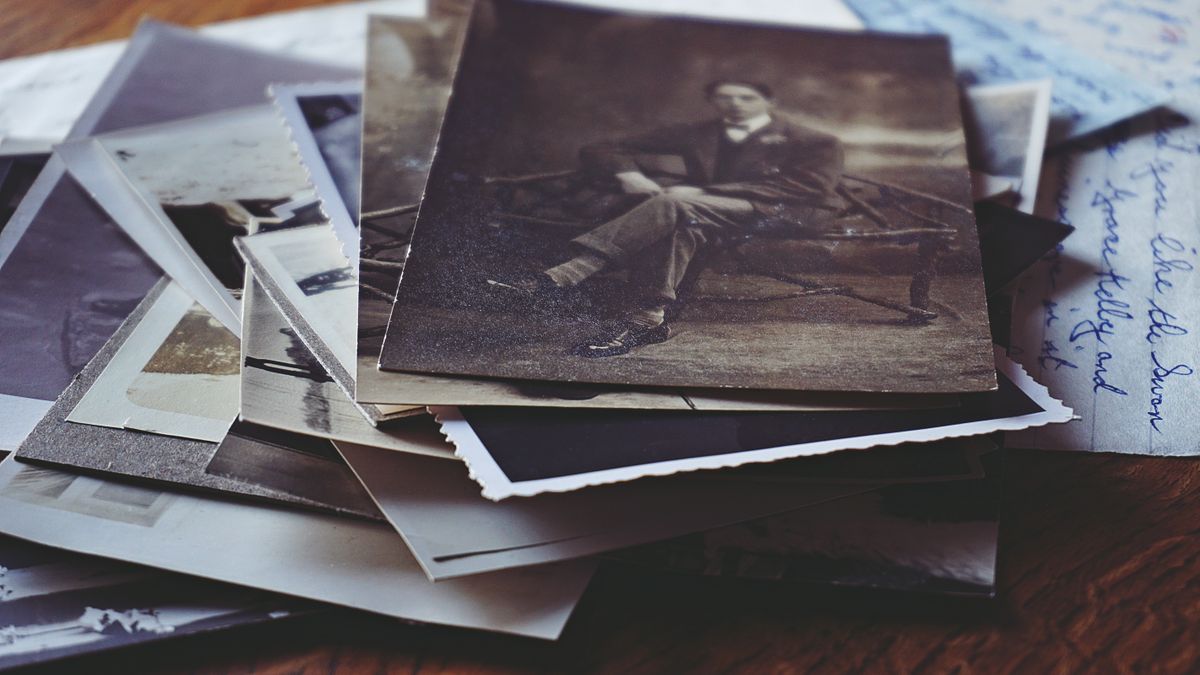
The Highland Clearances were not a single event but a long, painful process that reshaped communities across the north of Scotland. Between roughly 1780 and 1860, landlords and their factors moved families from inland glens to coastal crofts, or forced them to emigrate. If your ancestors lived in the Highlands or Islands during this period, they may have been affected. Tracing them can feel daunting because records are scattered across estates, parishes, and ports. But with patience and the right sources, you can uncover their story and honour their resilience.
Estate papers are often the richest source for clearance research. They include rent rolls, tacks (leases), estate maps, correspondence, and sometimes lists of tenants who were removed or given passage money. Look for the estate that owned the land your ancestors lived on. These papers may be held in local archive centres, national archives, or university libraries. Rent rolls can show when a family disappeared from a township. Eviction notices or "removings" sometimes survive. Correspondence between factors and landlords may mention specific families, especially if they resisted or received assisted emigration. Search archive catalogues for the estate name plus "papers" or "muniments".
Many displaced Highlanders emigrated to Canada, Australia, New Zealand, and the United States. Official passenger lists for ships leaving British ports are patchy before 1890, but other lists exist. Assisted emigration schemes run by landlords, charities, or government often kept detailed records of who received passage money. These may appear in estate papers, colonial land records, or newspapers. Look for "emigration lists" in local archives. Newspaper advertisements for ships sailing to Quebec, Halifax, or Port Phillip often named agents and sometimes passengers. Once your ancestors arrived, check immigration records in the destination country, such as Canadian passenger lists from 1865 onwards or US customs lists from 1820. But don't overlook the outbound side: port books, customs records, and clearance papers can fill gaps.
Local histories written by ministers, schoolmasters, or amateur historians often include detailed accounts of clearances and lists of families who left. These are invaluable but must be used with care: they may be based on oral tradition. Kirk session minutes record poor relief, moral cases, and sometimes migration. They can show a family receiving poor relief after being evicted, or asking for a testimonial to move to another parish. Newspapers carried reports of evictions, emigration sailings, and letters from emigrants. Search local newspaper archives for your ancestor's surname and the parish name. Poor law records after 1845 may also mention clearance as a reason for destitution.
Start with what you know from civil registration, census returns, and family stories. The 1841 census is the first to name all household members, so use it to locate your family. Then work backwards using estate papers and kirk sessions. Here are some practical steps:
Local archive centres in the Highlands and Islands hold many estate papers, kirk session minutes, and local histories. National archives hold government records, including some emigration schemes and poor law records. University libraries often hold estate muniments and rare local histories. Online catalogues can help you search by parish or estate name before visiting. Family history societies in the Highlands and in destination countries can offer indexed lists and local knowledge. Don't forget oral history: if you have older relatives, ask them about family stories of the Clearances. Those memories, though imperfect, can point you to the right parish or estate. With persistence, you can locate your clearance ancestors and reconnect with their world.

Hi, my name is Anthony kuber. I am artist and fashion designer.
I love to travel and writing blogging.
Your email address will not be published. Required fields are marked *
Software Developer & Writer
Hey, I'm Diva, a developer and writer blending code and creativity. I'm driven by a deep curiosity and a relentless pursuit of excellence. Join me as I craft digital solutions and captivating stories.


